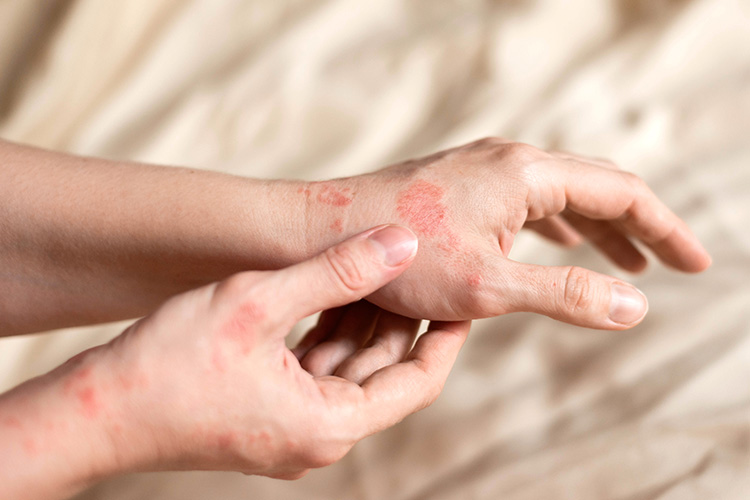
Eczema, medically known as atopic dermatitis, is one of the most common chronic skin conditions in the world. It affects children, teenagers, and adults, presenting as dry, irritated, inflamed, and extremely itchy skin. While eczema is not contagious, it can significantly impact daily comfort, confidence, and quality of life. Understanding its causes, triggers, and management options can help individuals reduce flare-ups and keep symptoms under control.
What Is Eczema?
Eczema is a chronic inflammatory skin condition characterized by cycles of flare-ups and remission. During a flare-up, the skin becomes red, itchy, swollen, and irritated. In some cases, it may crack, ooze, or form rough, scaly patches.
Although “eczema” and “atopic dermatitis” are often used interchangeably, eczema is actually a broad term that includes several skin disorders with similar symptoms.
The condition typically starts in childhood, but many adults continue to experience it throughout life.
Common Symptoms of Eczema
Symptoms vary from person to person, but common signs include:
1. Persistent Itching
Itching is the most defining symptom of eczema. It may worsen at night, leading to sleep disturbances.
2. Red, Inflamed Skin
Inflammation causes noticeable redness or darker pigmentation depending on skin tone.
3. Dryness & Rough Texture
The skin barrier becomes weakened, resulting in intense dryness, scaling, and rough patches.
4. Cracked or Thickened Skin
Chronic scratching can cause the skin to thicken (lichenification) or crack painfully.
5. Fluid-Filled Bumps
In some cases, small blisters may appear and ooze if scratched.
6. Hyperpigmentation or Hypopigmentation
After healing, eczema patches may leave darker or lighter marks on the skin, especially on deeper skin tones.
What Causes Eczema?
Eczema does not have a single cause. Instead, it results from a combination of genetic, environmental, and immune system factors.
1. Genetic Factors
People with eczema often have a genetic variation affecting the skin barrier, particularly the filaggrin gene. This leads to higher water loss and vulnerability to irritants.
2. Overactive Immune Response
The immune system reacts strongly to triggers, causing inflammation and itching.
3. Environmental Triggers
Everyday exposures can cause or worsen eczema, including:
-
cold or dry weather
-
harsh soaps and detergents
-
fragrances
-
dust mites
-
animal dander
-
pollen
-
cigarette smoke
4. Stress
Stress doesn’t cause eczema but can significantly worsen flare-ups.
5. Food Triggers
Some people—especially children—experience eczema flare-ups linked to foods such as milk, eggs, nuts, or wheat. However, food is not the cause for most people.
6. Allergies & Asthma
Eczema is part of the “atopic triad”, which includes:
-
eczema
-
allergic rhinitis (hay fever)
-
asthma
Individuals with one of these conditions often develop the others.
Types of Eczema
Eczema includes several related conditions. Understanding each type helps differentiate symptoms and treatment needs.
1. Atopic Dermatitis
The most common form, marked by chronic dry, itchy, inflamed skin. Usually begins in childhood.
2. Contact Dermatitis
Triggered by direct exposure to irritants or allergens such as:
-
metals (nickel)
-
chemicals
-
perfumes
-
detergents
-
latex
3. Dyshidrotic Eczema
Small, itchy blisters appear on the hands and feet, often triggered by sweat, stress, or metals.
4. Nummular Eczema
Round, coin-shaped patches of irritated skin, often appearing after skin injuries or extreme dryness.
5. Seborrheic Dermatitis
Affects oily areas such as the scalp, face, and upper chest. Known commonly as dandruff when it affects the scalp.
6. Stasis Dermatitis
Occurs when poor blood circulation causes fluid buildup and skin irritation, usually in the lower legs.
Who Is at Risk?
Certain individuals are more likely to develop eczema, including:
-
children with a family history of eczema or allergies
-
adults with asthma or hay fever
-
people living in cold, dry climates
-
those with chronic stress
-
individuals with sensitive or dry skin
-
people exposed frequently to irritants (cleaners, chemicals, water)
Eczema affects both genders, all ages, and every skin tone.
How Eczema Is Diagnosed
Diagnosis is typically made through:
-
visual examination of the skin
-
medical history and discussion of symptoms
-
identifying potential triggers
-
in some cases, patch testing for contact allergies
There is no single medical test for eczema, but dermatologists can differentiate it from similar skin disorders.
Treating and Managing Eczema
While there is no permanent cure, many treatments can greatly reduce symptoms and prevent flare-ups. Management focuses on strengthening the skin barrier and controlling inflammation.
1. Moisturizing Regularly
Moisturizers are the foundation of eczema care. Thick creams and ointments help lock in moisture and restore the skin barrier.
2. Topical Medications
Commonly used treatments include:
-
topical corticosteroids to reduce inflammation
-
topical calcineurin inhibitors for sensitive areas like the face
-
topical PDE4 inhibitors for mild to moderate eczema
3. Antihistamines
These may reduce itching, especially at night.
4. Wet Wrap Therapy
Applying medications and moisturizers under damp bandages can calm severe flare-ups.
5. Phototherapy
Controlled UV light treatments can improve chronic eczema, especially when other methods fail.
6. Advanced Treatments
For severe cases, doctors may recommend:
-
biologic medications
-
oral immunosuppressants
These are specialized treatments used under medical supervision.
7. Avoiding Triggers
Identifying and avoiding personal triggers—such as specific soaps, foods, or fabrics—can dramatically reduce flare-ups.
Daily Habits to Reduce Eczema Symptoms
A few lifestyle habits can make a big difference in managing eczema:
-
Use fragrance-free soaps and detergents
-
Take short, lukewarm showers
-
Pat skin dry instead of rubbing
-
Apply moisturizer immediately after bathing
-
Wear soft, breathable fabrics like cotton
-
Keep indoor humidity at a comfortable level
-
Reduce stress through yoga, walking, meditation, or deep breathing
Consistency is key—the skin barrier needs daily support.