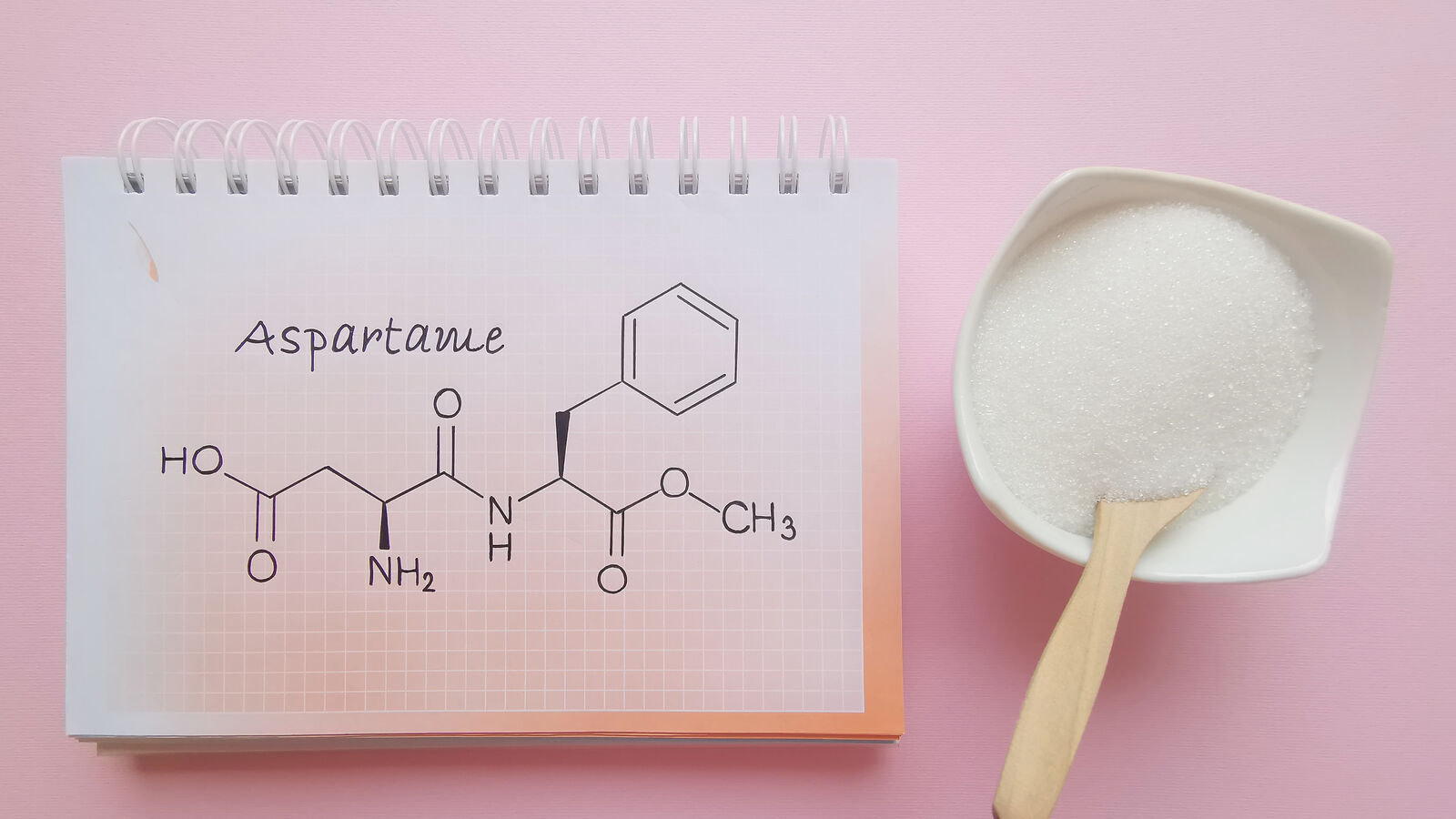
Aspartame is one of the most widely used artificial sweeteners in the world, found in thousands of foods and beverages ranging from diet sodas and sugar-free gums to low-calorie desserts and flavored waters. Since its discovery in 1965, it has generated intense scientific discussion, regulatory review, and public debate. Some people praise Aspartame for its low-calorie benefits, while others question its long-term safety. Understanding what aspartame is, how it works in the body, and what research says about its risks is essential for making informed dietary choices.
What Is Aspartame?
Aspartame is a low-calorie artificial sweetener that is approximately 200 times sweeter than table sugar. Chemically, it is a dipeptide composed of two amino acids:
-
Phenylalanine
-
Aspartic acid
When combined, these amino acids create an intense sweetness with very little caloric value. One gram of sugar contains about 4 calories, but because aspartame is so sweet, only a tiny amount is needed to match sugar’s sweetness, making the calorie contribution nearly negligible.
Aspartame is commonly sold under brand names such as:
-
Equal
-
NutraSweet
-
Sugar Twin
How Aspartame Was Discovered
Aspartame was discovered accidentally in 1965 by chemist James M. Schlatter, who was working on an anti-ulcer drug. After touching the substance and noticing a sweet taste on his finger, he realized he had found a remarkably powerful sweetener. Over time, food companies identified its commercial potential, especially as society became increasingly concerned about calories, weight management, and diabetes.
Aspartame received its first FDA approval in 1981 for use in dry goods, and in 1983 it was approved for use in carbonated beverages. Today, it is used in over 6,000 food products worldwide.
How Aspartame Is Metabolized in the Body
Understanding how aspartame breaks down in the body helps explain both its uses and its controversies.
When consumed, aspartame is broken down into:
-
Phenylalanine
-
Aspartic acid
-
Methanol
These components occur naturally in many foods. For example, fruit juices contain more methanol than beverages sweetened with aspartame. However, concerns arise because methanol can convert into formaldehyde in tiny amounts, and phenylalanine can affect people with the genetic disorder Phenylketonuria (PKU). That is why all aspartame-containing products carry the warning: “Phenylketonurics: contains phenylalanine.”
Most people metabolize these components normally, but people with PKU cannot break down phenylalanine properly and must avoid aspartame completely.
Aspartame Compared to Other Sweeteners
Aspartame is one of several artificial and natural low-calorie sweeteners. Compared with others:
| Sweetener | Sweetness vs. Sugar | Heat Stability | Calories |
|---|---|---|---|
| Aspartame | 200× | Not heat-stable (not ideal for baking) | Very low |
| Sucralose (Splenda) | 600× | Heat-stable | Zero |
| Stevia | 200–300× | Heat-stable | Zero |
| Saccharin | 300–400× | Heat-stable | Zero |
Aspartame’s main advantage is its clean, sugar-like taste, although it is not ideal for cooking because high heat breaks it down.
Health Benefits of Aspartame
1. Weight Management
Because aspartame is extremely sweet but low in calories, it helps people reduce caloric intake. Many studies show that switching from sugary sodas to diet sodas can reduce overall calorie consumption, which may assist with weight control.
2. Helpful for People With Diabetes
Aspartame does not raise blood glucose levels, making it a popular sweetener for people with Type 1 or Type 2 diabetes.
3. Dental Health
Unlike sugar, aspartame does not cause tooth decay. This is why sugar-free gums often use aspartame in combination with other sweeteners.
Safety Evaluations and Scientific Studies
Aspartame is one of the most extensively studied food additives in history. More than 100 government agencies worldwide have reviewed the research, including:
-
U.S. Food and Drug Administration (FDA)
-
European Food Safety Authority (EFSA)
-
World Health Organization (WHO)
-
Health Canada
-
Food Standards Australia New Zealand (FSANZ)
All of these organizations have stated that aspartame is safe for the general population when consumed within acceptable daily intake (ADI) levels.
The ADI for aspartame is:
-
50 mg per kg of body weight (U.S.)
-
40 mg per kg of body weight (EU)
To exceed these limits, a person would need to consume 20–30 cans of diet soda in one day, far above typical intake levels.
Cancer Concerns and the WHO Controversy
In 2023, the World Health Organization’s IARC classified aspartame as “possibly carcinogenic to humans,” placing it in the same category as:
-
Pickled vegetables
-
Aloe vera extract
-
Working night shifts
However, this classification is based on limited evidence, and it does not mean aspartame causes cancer at normal intake levels.
The WHO’s food safety committee, JECFA, reviewed the same evidence and did not change the acceptable daily intake, stating:
Aspartame is safe at current consumption levels.
The FDA also disagreed with IARC’s classification, citing decades of their own data.
To date, no conclusive scientific evidence proves that aspartame causes cancer in humans at normal dietary levels.
Common Myths and Misunderstandings
1. “Aspartame causes headaches.”
Research is mixed. Some people report sensitivity, while controlled studies show no consistent link.
2. “Aspartame turns into formaldehyde and poisons the body.”
Although methanol can convert into formaldehyde, the amount produced from aspartame is tiny — far less than what comes from fruits and vegetables.
3. “Aspartame causes neurological diseases.”
Claims linking aspartame to Alzheimer’s, Parkinson’s, and seizures lack scientific support. Large reviews have found no connection at typical intake levels.
Who Should Avoid Aspartame?
While most people can safely consume aspartame, certain groups should be cautious:
-
People with PKU – must avoid it entirely.
-
Individuals reporting sensitivity – some may experience headaches or digestive discomfort.
-
Children – while safe, their intake should be moderated simply because their smaller bodies reach ADI faster.
-
Pregnant individuals – generally safe but recommended to consume in moderation as part of a balanced diet.
Aspartame in Everyday Foods
Common items containing aspartame include:
-
Diet sodas
-
Sugar-free gum
-
Light yogurt
-
Protein shakes
-
Meal replacement drinks
-
Flavored water drops
-
Sugar-free candy
-
Low-calorie desserts
Because manufacturers often blend sweeteners, aspartame is frequently mixed with acesulfame-K or sucralose to enhance flavor.
Conclusion
Aspartame is a widely used, low-calorie sweetener that has been carefully studied for over four decades. Even though it often makes headlines, particularly regarding cancer concerns, the scientific consensus from major health authorities is that aspartame is safe for most people within recommended limits. While controversial at times, its benefits for weight control, diabetes management, and dental health continue to make it a staple in modern food production.
Like many additives, moderation is key. For most individuals, aspartame can be part of a balanced diet, but those with PKU or specific sensitivities should avoid it. Ultimately, the choice to consume aspartame comes down to personal preference, health goals, and how one responds to different sweeteners.