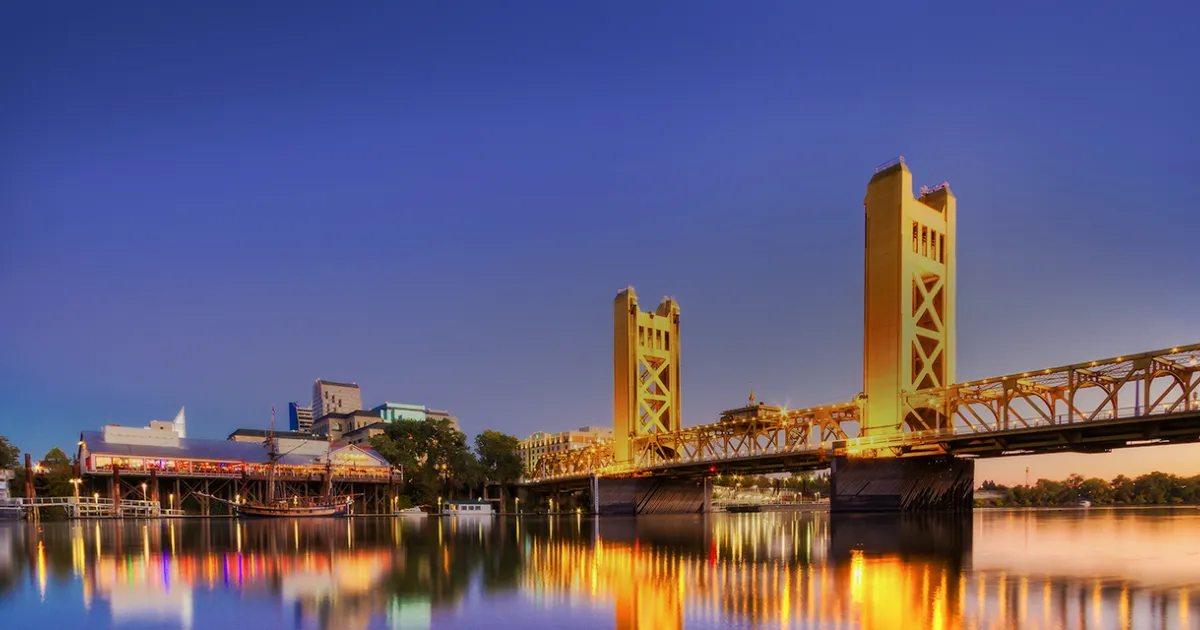
Sacramento, the capital city of California, is a place where history, culture, and innovation intersect. Situated at the confluence of the Sacramento and American Rivers in Northern California, the city is often overshadowed by larger neighbors like San Francisco and Los Angeles. Yet Sacramento has quietly evolved into one of the state’s most dynamic and livable cities, offering a rich blend of historic significance, political importance, diverse communities, and a growing modern identity.
A Brief History of Sacramento
Sacramento’s roots trace back to the mid-19th century during the California Gold Rush. In 1848, the discovery of gold at nearby Sutter’s Mill transformed the region almost overnight. What was once a small settlement rapidly became a bustling hub for miners, traders, and entrepreneurs seeking fortune.
Founded by John Sutter, Sacramento grew quickly due to its strategic location along river trade routes. By 1854, it was designated the capital of California, a status it has held ever since. The city faced early challenges such as floods and fires, but resilience and engineering advancements helped Sacramento rebuild and expand.
Today, Sacramento proudly preserves its history through landmarks like Old Sacramento Waterfront, where wooden sidewalks, historic buildings, and museums provide a glimpse into its Gold Rush past.
The Political Heart of California
As the state capital, Sacramento is the center of California’s political life. The California State Capitol, with its iconic dome and surrounding gardens, serves as the workplace for the governor and the state legislature. This political presence significantly influences the city’s economy and culture.
Thousands of residents are employed in government, public policy, lobbying, and advocacy roles. The city regularly hosts debates and discussions on issues ranging from climate change and housing policy to education and healthcare. This political environment fosters a culture of civic engagement and attracts professionals from across the state and country.
A Diverse and Welcoming City
Sacramento is one of the most ethnically diverse cities in the United States. Its population reflects a rich mix of cultures, including Latino, Asian, African American, European, and Middle Eastern communities. This diversity shapes the city’s neighborhoods, festivals, cuisine, and arts scene.
Areas like South Sacramento, Natomas, and Midtown showcase multicultural influences through food markets, restaurants, and cultural centers. Annual events such as cultural festivals and parades celebrate the city’s inclusivity and global heritage.
This diversity contributes to Sacramento’s reputation as a welcoming city for newcomers, families, and professionals seeking a balanced urban lifestyle.
Farm-to-Fork Capital
Sacramento is often referred to as America’s Farm-to-Fork Capital, a title that reflects its close proximity to some of the most productive agricultural land in the world. The surrounding Central Valley supplies fresh fruits, vegetables, nuts, and grains that support both local and global food systems.
The city’s food culture emphasizes freshness, sustainability, and seasonal ingredients. Farmers’ markets are common, and many restaurants partner directly with local farms. From fine dining establishments to food trucks, Sacramento’s culinary scene continues to gain national recognition.
Arts, Culture, and Entertainment
Sacramento offers a vibrant arts and culture scene. The Crocker Art Museum, one of the oldest art museums in the western United States, features an impressive collection of Californian and international works. The city also supports theaters, live music venues, and galleries that highlight both established and emerging artists.
Sports play an important role in Sacramento’s identity. The Sacramento Kings, the city’s NBA team, enjoy passionate local support, especially since the opening of the Golden 1 Center in downtown Sacramento. This state-of-the-art arena has revitalized the downtown area and hosts concerts, events, and entertainment year-round.
Nature and Outdoor Recreation
One of Sacramento’s greatest strengths is its access to outdoor recreation. Known as the “City of Trees,” Sacramento boasts one of the largest urban tree canopies in the world. Tree-lined streets, parks, and riverside trails create a green and livable environment.
The American River Parkway offers miles of scenic biking, walking, and jogging paths. Residents also enjoy kayaking, fishing, and rafting along nearby rivers. Within a short drive, Sacramento residents can reach Lake Tahoe, Napa Valley, the Sierra Nevada mountains, and the Pacific Coast, making it an ideal base for outdoor enthusiasts.
Education and Innovation
Sacramento is home to several respected educational institutions, including California State University, Sacramento (Sac State) and the University of California, Davis nearby. These institutions contribute to research, innovation, and workforce development in fields such as healthcare, agriculture, technology, and environmental science.
In recent years, Sacramento has seen growth in startups and technology-driven industries. While not traditionally considered a tech hub, the city’s lower cost of living compared to Silicon Valley has attracted remote workers and entrepreneurs seeking affordability without sacrificing quality of life.
Cost of Living and Quality of Life
Compared to other major California cities, Sacramento offers a relatively affordable cost of living, especially in housing. This affordability, combined with strong public services and access to nature, makes the city attractive to families and young professionals.
Sacramento’s slower pace compared to coastal metros appeals to those looking for balance—urban convenience without constant congestion. Neighborhoods like Midtown provide walkability and nightlife, while suburban areas offer quieter residential options.
Challenges and Future Growth
Like many growing cities, Sacramento faces challenges such as housing shortages, climate-related heat concerns, and infrastructure demands. However, city leaders and communities are actively working toward sustainable development, public transit expansion, and climate resilience initiatives.
The future of Sacramento looks promising, with continued investment in downtown revitalization, clean energy, and smart city planning.
Conclusion
Sacramento is far more than just California’s capital—it is a city rich in history, culture, diversity, and opportunity. From its Gold Rush origins to its modern role as a political and agricultural leader, Sacramento continues to evolve while maintaining its unique character.
With its farm-to-fork cuisine, vibrant arts scene, access to nature, and welcoming communities, Sacramento stands as a compelling destination to live, work, and explore. As California continues to grow and change, Sacramento remains at its heart—quietly influential, deeply rooted, and confidently moving forward.