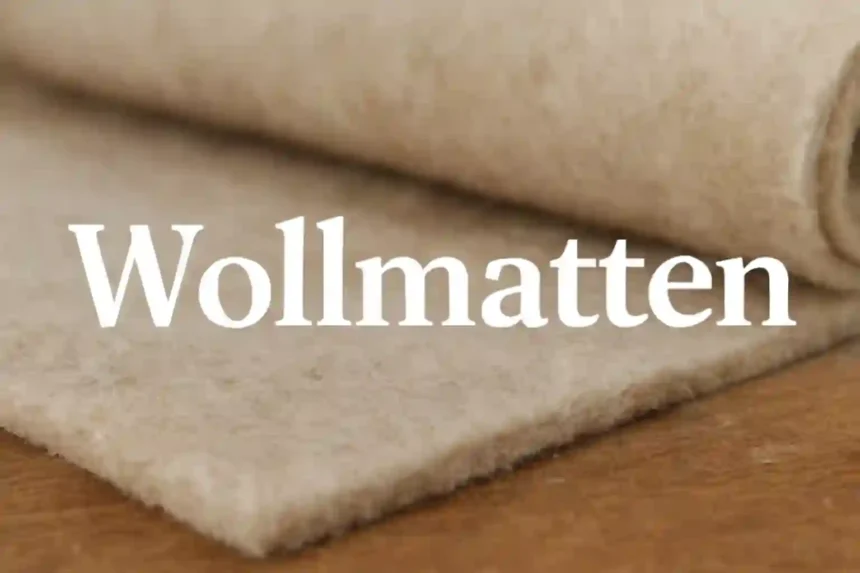
In an era increasingly defined by synthetic materials and fast production, there is a growing global movement that looks back to nature, tradition, and sustainability. Among the many natural products gaining renewed appreciation are Wollmatten — wool mats. The word itself originates from German, where “Wolle” means wool and “Matten” means mats. But beyond the literal translation, Wollmatten have become a symbol of ecological living, cultural heritage, and innovative design.
Origins of Wollmatten
Wool has been used by humans for thousands of years, prized for its warmth, durability, and natural availability. In traditional societies across Europe and Central Asia, wool was not only used for clothing but also for bedding, rugs, and insulation.
Wollmatten were originally created as functional mats woven or felted from sheep’s wool. Farmers and craftspeople valued them for their:
-
Thermal insulation: Perfect for cold stone floors in rural homes.
-
Durability: Natural wool mats lasted for decades with proper care.
-
Versatility: Used as sleeping mats, seating pads, prayer rugs, or even protective padding for tools and transport.
In German-speaking regions, especially alpine areas, Wollmatten were part of everyday life, combining practicality with artistry. Patterns, dyes, and weaving techniques varied from region to region, making each mat a reflection of cultural identity.
Cultural Symbolism of Wollmatten
Beyond functionality, Wollmatten held symbolic meaning in traditional culture. They represented warmth, security, and domestic comfort. A family’s collection of handmade wool mats often reflected its wealth, skill, and artistry.
-
In rural communities, gifting a finely crafted wool mat symbolized care and protection.
-
In cultural rituals, mats sometimes functioned as sacred spaces, especially when used during prayer or meditation.
-
In folklore, wool itself symbolized fertility, abundance, and the cycles of nature — values that Wollmatten embodied in tangible form.
Thus, Wollmatten were not just floor coverings; they were threads connecting people to land, animals, and tradition.
The Craft of Making Wollmatten
Traditional Wollmatten were created through two main techniques:
-
Felting – Wool fibers were pressed together using moisture, heat, and agitation, forming a dense mat without weaving.
-
Weaving/Knitting – Strands of wool were spun into yarn and woven into patterned mats, often incorporating local motifs or family emblems.
These techniques demanded patience, skill, and an intimate knowledge of natural fibers. The process of carding, spinning, dyeing, and finishing a mat could take weeks, making each Wollmatte a labor of love.
Wollmatten in Modern Sustainability
In today’s world of environmental awareness, Wollmatten are experiencing a revival as sustainable, eco-friendly alternatives to synthetic materials. Unlike plastic-based mats or rugs, wool is:
-
Biodegradable: Naturally decomposes without leaving harmful residues.
-
Renewable: Sheep grow new wool each year.
-
Insulating: Regulates temperature, keeping rooms warm in winter and cool in summer.
-
Moisture-resistant: Absorbs humidity without feeling wet, preventing mold.
Modern designers are reimagining Wollmatten for contemporary interiors, blending traditional craftsmanship with minimalist aesthetics. They are marketed not only as floor mats but also as yoga mats, wall hangings, pet mats, and acoustic panels for soundproofing.
This renaissance aligns with the growing slow living and zero-waste lifestyle movements, which emphasize natural materials, durability, and responsible consumption.
Wollmatten in Health and Wellness
Beyond sustainability, Wollmatten also play a role in wellness. Wool is known for its natural therapeutic properties:
-
Temperature regulation: Keeps the body at a stable temperature during sleep or meditation.
-
Pressure relief: Wool mats cushion the body, making them ideal for yoga or sitting meditation.
-
Hygienic qualities: Wool’s lanolin content naturally resists dust mites and bacteria.
In fact, many modern yoga practitioners prefer wool yoga mats (a variation of Wollmatten) over synthetic options because they are grounded, breathable, and eco-conscious.
Wollmatten in Design and Architecture
Designers and architects are increasingly turning to Wollmatten as functional art pieces. Their natural textures and neutral tones make them perfect for:
-
Minimalist interiors: Adding warmth to otherwise cold, modern spaces.
-
Eco-homes: Used as natural insulation materials.
-
Acoustic solutions: Absorbing sound in offices, studios, and classrooms.
Some architectural firms in Europe even use compressed wool mats as building insulation — merging tradition with high-tech green building practices.
The Market for Wollmatten
With rising demand for sustainable products, Wollmatten have entered the global eco-market. They are sold in artisan shops, online eco-stores, and yoga lifestyle brands. Consumers are drawn not only by their utility but also by their story:
-
Handmade authenticity appeals to those rejecting mass-produced goods.
-
Eco-conscious branding resonates with environmentally aware buyers.
-
Cultural revival attracts those interested in heritage crafts.
Wollmatten, once household necessities, are now lifestyle statements. Owning one signifies alignment with values of sustainability, comfort, and mindful living.
Challenges Facing Wollmatten
Despite their promise, Wollmatten face certain challenges:
-
Cost – Handmade wool mats are more expensive than synthetic alternatives.
-
Maintenance – Wool requires special cleaning methods (gentle washing, avoiding harsh chemicals).
-
Competition – Large-scale rug and mat industries dominate global markets with cheaper synthetic products.
-
Awareness – Many consumers are unfamiliar with the environmental and health benefits of wool.
Overcoming these challenges requires a combination of education, marketing, and innovation, positioning Wollmatten as long-term investments in health and sustainability.
The Future of Wollmatten
The future of Wollmatten lies in their ability to adapt while staying true to their roots. We can expect:
-
Eco-tech fusion: Smart Wollmatten with built-in sensors for temperature or posture tracking.
-
Circular economy models: Mats designed for recycling or composting at end of life.
-
Cultural collaborations: Designers blending traditional patterns with global contemporary art.
-
Mainstream adoption: As eco-consciousness rises, Wollmatten could become standard in schools, offices, and homes worldwide.
In this way, Wollmatten may shift from niche artisan products to mainstream icons of sustainable living.
Conclusion
Wollmatten are more than mats. They are symbols of warmth, tradition, and sustainability, embodying the deep relationship between humans, animals, and the natural world. From their roots in rural households to their place in modern eco-markets, they tell a story of resilience and adaptation.
In an age where synthetic convenience often outweighs natural wisdom, Wollmatten remind us that true comfort comes not from excess, but from harmony with nature. Whether used as functional mats, cultural artifacts, or design innovations, they carry forward a legacy of care, creativity, and ecological balance.