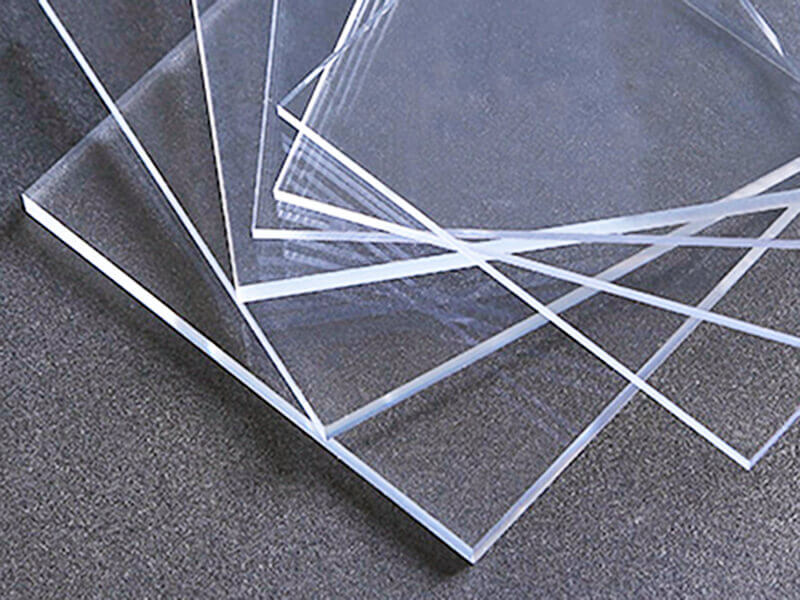
Acrylic is one of the most versatile and widely used synthetic materials in the modern world. Known for its clarity, durability, and adaptability, acrylic has become a popular alternative to glass and other traditional materials across multiple industries. From art and architecture to medicine and manufacturing, Acrylic plays a significant role in everyday life. Understanding its properties, production, and applications helps explain why acrylic continues to grow in importance.
What Is Acrylic?
Acrylic is a type of plastic made from polymethyl methacrylate (PMMA), a transparent thermoplastic often marketed under brand names such as Plexiglas, Perspex, and Lucite. It was first developed in the early 20th century and quickly gained attention for its glass-like appearance combined with superior impact resistance and lightweight nature.
Unlike glass, acrylic does not shatter easily, making it safer and more practical for many applications. It can be produced in sheets, rods, tubes, or molded into complex shapes, offering exceptional flexibility in design and manufacturing.
Physical and Chemical Properties of Acrylic
One of acrylic’s defining characteristics is its optical clarity. Acrylic can transmit up to 92% of visible light, which is higher than most types of glass. This clarity remains stable over time, as acrylic resists yellowing when exposed to sunlight.
Key properties of acrylic include:
-
Lightweight: About half the weight of glass
-
High impact resistance: Stronger and safer than glass
-
Weather resistance: Performs well outdoors
-
Thermal insulation: Better than glass in some conditions
-
UV stability: Maintains clarity and color
Chemically, acrylic is resistant to many household chemicals and environmental pollutants, making it suitable for both indoor and outdoor use.
Manufacturing and Processing of Acrylic
Acrylic is produced through polymerization of methyl methacrylate (MMA). The material can then be processed in various ways depending on the intended application. Acrylic sheets may be cast or extruded, each method offering distinct advantages.
-
Cast acrylic provides higher optical clarity and better surface finish.
-
Extruded acrylic is more cost-effective and easier to thermoform.
Acrylic can be cut, drilled, polished, bent, engraved, and bonded using specialized tools, making it a favorite among designers and manufacturers.
Acrylic in Art and Creative Industries
Acrylic is widely known in the art world, especially through acrylic paint, which uses acrylic polymer emulsion as its binder. Acrylic paints are popular because they dry quickly, adhere to many surfaces, and are water-soluble when wet but water-resistant when dry.
Artists favor acrylics for their versatility, as they can mimic watercolor, oil, or gouache techniques. Acrylic sheets are also used for display cases, installations, sculptures, and modern art designs due to their transparency and durability.
Architectural and Construction Applications
In architecture, acrylic is often used as a glass substitute in windows, skylights, partitions, and facades. Its lightweight nature reduces structural load, while its strength improves safety. Acrylic panels are also commonly used in sound barriers, swimming pool walls, and protective screens.
Interior designers use acrylic for furniture, decorative panels, signage, and lighting fixtures. Its ability to be colored, frosted, or textured allows for endless aesthetic possibilities.
Medical and Scientific Uses
Acrylic plays a crucial role in the medical and scientific fields. It is commonly used in dental applications, such as dentures and crowns, due to its biocompatibility and ease of shaping. In hospitals and laboratories, acrylic is used for protective barriers, incubators, and medical equipment housings.
Its transparency and resistance to bacteria make acrylic suitable for sterile environments. Additionally, it is often used in optical instruments, laboratory containers, and microscope components.
Acrylic in Retail and Commercial Spaces
Retail environments heavily rely on acrylic for product displays, shelving, and signage. Acrylic displays enhance product visibility while offering durability and a modern appearance. Because it is easy to clean and resistant to scratches, acrylic is ideal for high-traffic commercial spaces.
Businesses also use acrylic for branding elements, illuminated signs, menu boards, and point-of-sale displays.
Environmental Considerations
Although acrylic is a plastic, it has some environmental advantages compared to other materials. Acrylic products are durable and long-lasting, reducing the need for frequent replacement. PMMA is also recyclable, and recycling technologies continue to improve.
However, like all plastics, acrylic requires responsible disposal and recycling practices to minimize environmental impact. Ongoing research focuses on improving sustainability through bio-based alternatives and improved recycling methods.
Advantages of Acrylic Over Other Materials
Acrylic offers numerous benefits that make it preferable in many applications:
-
Superior clarity compared to glass
-
Greater impact resistance
-
Lighter weight
-
Easier fabrication and customization
-
Better UV resistance
These advantages make acrylic a cost-effective and versatile material for both functional and decorative uses.
Limitations of Acrylic
Despite its many benefits, acrylic does have limitations. It can scratch more easily than glass and may crack under extreme stress if not properly supported. Acrylic is also sensitive to certain solvents and high temperatures, which can cause warping.
Proper handling, maintenance, and installation help minimize these drawbacks.
Conclusion
Acrylic is a remarkable material that combines beauty, strength, and adaptability. Its wide range of applications—from art and architecture to medicine and retail—demonstrates its importance in modern life. As technology advances and sustainability efforts improve, acrylic will continue to evolve, offering even greater potential for innovation and creative expression.
Understanding acrylic not only highlights its practical advantages but also showcases how modern materials shape the world around us.