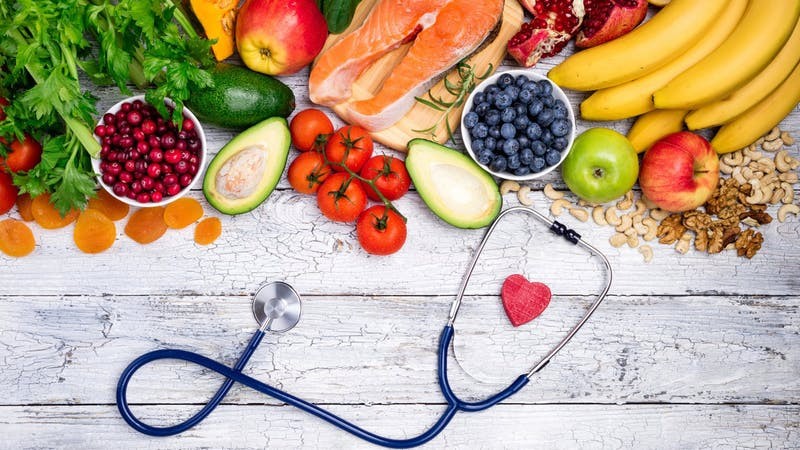
Fitosterina, more commonly known in English as phytosterin or phytosterols, refers to a group of naturally occurring compounds found in plants that are structurally similar to cholesterol. These substances have attracted significant scientific and nutritional interest due to their potential health benefits, particularly in supporting heart health and managing cholesterol levels.
In recent decades, fitosterina has become a key component in functional foods, dietary supplements, and clinical nutrition strategies. Understanding what fitosterina is, how it works, and where it comes from can help individuals make informed dietary choices.
What Is Fitosterina?
Fitosterina is a collective term for plant-derived sterols and stanols, which are lipid compounds present in fruits, vegetables, nuts, seeds, legumes, and vegetable oils. Chemically, phytosterols resemble cholesterol so closely that they can compete with it during digestion.
The most common types of phytosterols include:
-
Beta-sitosterol
-
Campesterol
-
Stigmasterol
These compounds are essential components of plant cell membranes, where they play a role similar to cholesterol in animal cells—maintaining structure and fluidity.
Natural Sources of Fitosterina
Fitosterina is naturally present in a wide range of plant-based foods, though usually in relatively small amounts. Foods rich in phytosterols include:
-
Vegetable oils (corn oil, sunflower oil, soybean oil)
-
Nuts and seeds (almonds, pistachios, sesame seeds)
-
Whole grains (wheat germ, barley, rye)
-
Legumes (beans, lentils, peas)
-
Fruits and vegetables (avocados, broccoli, Brussels sprouts)
Because typical diets provide only modest amounts of phytosterols, many functional foods are fortified with fitosterina to enhance its health effects.
How Fitosterina Works in the Body
The most well-known benefit of fitosterina is its ability to reduce the absorption of cholesterol in the digestive tract. Due to its structural similarity to cholesterol, phytosterols compete for absorption in the intestines.
When fitosterina is present:
-
It displaces dietary and bile cholesterol from micelles in the gut.
-
Less cholesterol is absorbed into the bloodstream.
-
More cholesterol is excreted from the body.
-
Blood LDL (“bad”) cholesterol levels may decrease.
Importantly, phytosterols themselves are absorbed only in very small amounts, making them effective without significantly entering circulation.
Health Benefits of Fitosterina
1. Cholesterol Management
Scientific research consistently shows that consuming 1.5 to 3 grams of phytosterols per day can reduce LDL cholesterol by approximately 7–12%. This makes fitosterina particularly valuable for individuals with elevated cholesterol levels.
It is often recommended as part of a heart-healthy diet alongside reduced saturated fat intake and increased fiber consumption.
2. Cardiovascular Health Support
Lowering LDL cholesterol contributes to reduced risk of cardiovascular disease. While fitosterina alone is not a cure or substitute for medication in high-risk individuals, it can be a useful dietary strategy for supporting overall heart health.
Phytosterols are commonly included in preventive nutrition plans and lifestyle interventions.
3. Anti-Inflammatory and Immune Effects
Some studies suggest that certain types of phytosterols, especially beta-sitosterol, may have anti-inflammatory and immune-modulating properties. These effects are still being researched but show promise in supporting immune balance and general wellness.
4. Potential Prostate and Hormonal Support
Beta-sitosterol has been studied for its possible role in supporting prostate health, particularly in managing urinary symptoms associated with benign prostatic hyperplasia (BPH). While results vary, this has led to its inclusion in some herbal and nutritional supplements.
Fitosterina in Functional Foods
To make it easier for consumers to reach effective intake levels, fitosterina is often added to functional foods, such as:
-
Margarines and spreads
-
Yogurts and dairy alternatives
-
Milk and juice products
-
Snack bars and cereals
These products are designed to deliver clinically relevant amounts of phytosterols without requiring major dietary changes.
Fitosterina Supplements
In addition to fortified foods, fitosterina is available in capsule or tablet form. Supplements typically contain purified phytosterols derived from vegetable oils or pine tree extracts.
While supplements can be effective, they should be used responsibly and preferably under medical or nutritional guidance—especially for individuals taking cholesterol-lowering medications.
Safety and Side Effects
Fitosterina is generally considered safe for most people when consumed at recommended levels. However, some considerations include:
-
Excessive intake may reduce absorption of fat-soluble vitamins (A, D, E, and K)
-
Individuals with sitosterolemia, a rare genetic condition, should avoid phytosterols
-
Balance is important; fitosterina works best as part of a well-rounded diet
For most healthy adults, incorporating phytosterols through food is both safe and beneficial.
Fitosterina and Plant-Based Diets
Fitosterina aligns naturally with plant-based and vegetarian diets, which tend to be richer in phytosterols than meat-heavy diets. This may partially explain why plant-based eating patterns are often associated with better cholesterol profiles and heart health.
By emphasizing whole grains, nuts, seeds, fruits, and vegetables, individuals can naturally increase their intake of phytosterina.
Ongoing Research and Future Potential
Research into fitosterina continues to expand beyond cholesterol management. Scientists are exploring its potential roles in:
-
Metabolic health
-
Anti-cancer mechanisms
-
Hormonal regulation
-
Gut microbiome interactions
While many of these areas require further study, they highlight the growing importance of phytosterols in nutritional science.
Conclusion
Fitosterina is a powerful example of how natural plant compounds can positively influence human health. As a cholesterol-lowering agent with additional potential benefits, phytosterols play a valuable role in modern nutrition and preventive healthcare.