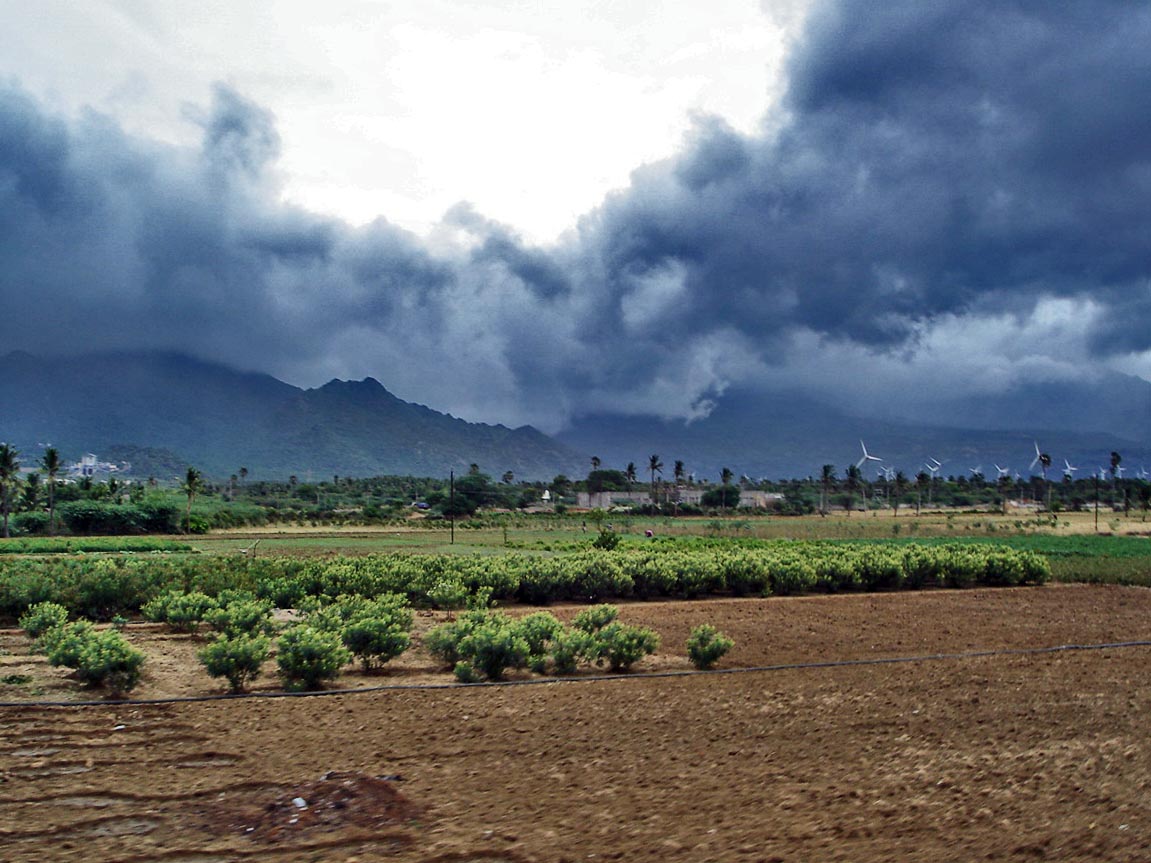
The monsoon is one of the most influential and fascinating climate systems on Earth. For billions of people, especially across Asia, Africa, and parts of Australia, the monsoon defines the rhythm of life. It dictates when crops are planted, shapes regional economies, influences cultural traditions, and even determines patterns of migration and settlement. Yet despite its importance, the Monsoon remains complex—its behavior influenced by ocean temperatures, atmospheric circulation, global climate change, and regional geography.
What Is a Monsoon?
A monsoon is not simply “heavy rain,” as many people assume. It is a seasonal reversal of winds that brings distinct wet and dry periods to specific regions. The term originates from the Arabic word mausim, meaning “season,” emphasizing its periodic nature.
Monsoons occur because land heats and cools faster than oceans. This temperature contrast drives large-scale wind shifts:
-
In the summer, warm land draws in moist oceanic air, producing widespread rainfall.
-
In the winter, cool land pushes out dry continental winds, creating a dry season.
This wind reversal is the fundamental mechanism behind monsoon climates worldwide.
The Science Behind Monsoons
Several key processes drive monsoon circulation:
1. Differential Heating
Land absorbs solar heat more rapidly than water. As continents warm during summer, air above them rises, creating low-pressure zones that pull in moist oceanic air.
2. ITCZ Migration
The Intertropical Convergence Zone (ITCZ)—a band of rising air near the equator—moves north and south with the seasons. As it shifts, so does the region of heavy rainfall associated with monsoon winds.
3. Ocean–Atmosphere Interaction
Sea-surface temperatures, particularly in the Indian Ocean and Pacific, influence monsoon strength. Phenomena like El Niño, La Niña, and the Indian Ocean Dipole (IOD) can strengthen or weaken seasonal rains.
4. Topography
Mountain ranges intensify monsoons:
-
The Himalayas block cold winds from Central Asia and force moist winds upward, causing intense rain across South Asia.
-
The East African Highlands shape regional monsoon flows.
-
The Western Ghats in India cause spectacular orographic rainfall.
All these factors combine to produce one of Earth’s most dramatic weather systems.
Major Monsoon Systems Around the World
While the South Asian monsoon is the most famous, monsoons occur in several regions.
1. South Asian Monsoon
Covering India, Pakistan, Bangladesh, Nepal, and Sri Lanka, this is the largest and most powerful monsoon system.
-
Arrival: Typically June
-
Peak: July–August
-
Withdrawal: September–October
It accounts for more than 70% of annual rainfall in many regions and supports agriculture for over a billion people.
2. East Asian Monsoon
Influences China, Korea, and Japan.
-
Characterized by the Meiyu/Baiu rain season
-
Brings long, steady rains rather than sudden downpours
3. Southeast Asian & Indonesian Monsoon
Includes Vietnam, Thailand, Malaysia, and the Philippines.
-
Strong maritime influence
-
Typhoons often interact with monsoon systems
4. West African Monsoon
Affects the Sahel and countries like Nigeria, Senegal, and Ghana.
-
Vital for crops such as millet, sorghum, and maize
-
Highly variable—drought years have devastating consequences
5. Australian Monsoon
Active during the Southern Hemisphere summer, it drenches northern Australia with tropical storms and cyclones.
6. North American Monsoon
Impacts parts of Mexico, Arizona, New Mexico, and Nevada.
-
Produces afternoon thunderstorms
-
Known for sudden flash floods and dramatic lightning displays
Why the Monsoon Is Essential
Despite the challenges it can bring, the monsoon is indispensable.
1. Agriculture and Food Security
Countries like India rely heavily on monsoon rains to irrigate crops such as:
-
Rice
-
Wheat
-
Sugarcane
-
Cotton
-
Pulses
A strong monsoon boosts harvests and economic stability. A weak one can lead to crop failure and rising food prices.
2. Water Resources
Monsoon rains replenish:
-
Rivers and lakes
-
Groundwater
-
Reservoirs and dams
In many regions, this seasonal water is stored to sustain life through the dry months.
3. Ecosystems and Biodiversity
Forests like the Western Ghats, Amazon-like jungles in Northeast India, and Southeast Asian rainforests depend on monsoonal moisture. Wildlife breeding cycles often sync with monsoon arrival.
4. Economic and Cultural Significance
Monsoon drives:
-
Hydropower generation
-
Fisheries
-
Tourism in certain regions
-
Festivals and cultural rituals (e.g., Teej, Onam, and Raksha Bandhan in South Asia)
The monsoon is woven into literature, poetry, and music across many cultures.
The Challenges of Monsoon Season
While life-giving, the monsoon can also bring destruction.
1. Flooding
Excess rainfall can inundate cities and villages. Urban areas with poor drainage are especially vulnerable.
2. Landslides
Mountain regions face landslides when waterlogged slopes give way.
3. Waterborne Diseases
Stagnant water fosters outbreaks of:
-
Dengue
-
Malaria
-
Cholera
-
Typhoid
4. Agricultural Damage
Both too much and too little rain can hurt harvests.
5. Infrastructure Disruption
Monsoon storms often cause:
-
Road washouts
-
Train delays
-
Power outages
-
Damage to buildings and bridges
These impacts highlight why accurate forecasting and resilient planning are crucial.
Monsoons in a Changing Climate
Climate change is altering monsoon patterns in several ways:
1. Increased Variability
Monsoons are becoming harder to predict. Some years bring excessive rain, while others produce prolonged drought.
2. Intense Downpours
Rising global temperatures increase evaporation, which leads to heavier and more sudden rainfall events.
3. Shifting Seasons
In some regions, monsoons are arriving earlier or later than historical averages.
4. Stronger Interaction with Ocean Cycles
El Niño and La Niña events now have more pronounced effects on monsoon strength.
5. Urban Vulnerability
Rapid urbanization, especially in Asia and Africa, increases flooding because cities lack adequate drainage and absorb less rainfall.
Understanding these changes is critical for designing climate-resilient infrastructure and agricultural systems.
Conclusion
The monsoon is one of the most awe-inspiring natural systems on Earth—both a life-giver and, at times, a destroyer. It shapes economies, ecosystems, traditions, and daily life across vast regions. As climate change and population growth intensify pressures on water and agriculture, understanding the monsoon has become more important than ever.
Whether celebrated in literature or feared for its storms, the monsoon remains a reminder of humanity’s deep connection to the rhythms of the natural world.