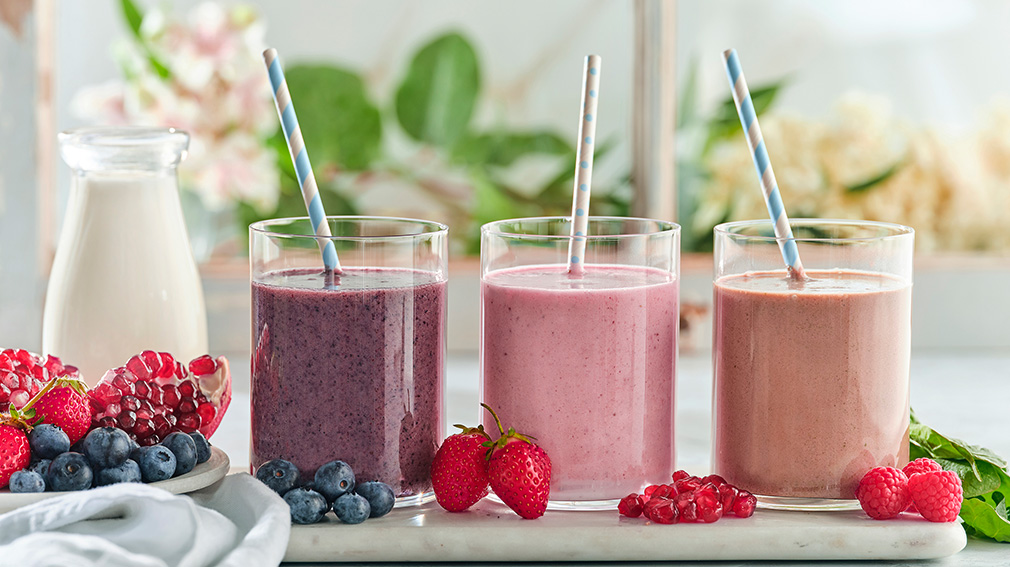
Smoothies have become a global wellness trend, celebrated for their convenience, versatility, and nutritional value. What began as a simple blend of fruit and milk has evolved into an entire culture of health-focused beverages featuring superfoods, vegetables, protein powders, and even adaptogens. From fitness enthusiasts to busy professionals, Smoothies offer a quick and delicious way to nourish the body. This article explores the origins of smoothies, their health benefits, popular varieties, and how to craft the perfect blend at home.
1. A Brief History of Smoothies
The smoothie as we know it today has surprisingly deep roots. Ancient cultures across South America, the Mediterranean, and Asia blended fruit with water or milk-like liquids long before electric appliances existed. However, the modern smoothie emerged in the 1930s and 1940s in the United States.
Early Beginnings
When the first electric blenders appeared, fruit shops and soda counters began experimenting with blended fruit drinks. These early recipes resembled today’s simple smoothies—bananas, strawberries, milk, and honey.
Rise of the Health Movement
In the 1960s and 1970s, as vegetarian and natural-food movements gained momentum, smoothies entered health stores and juice bars. The rise of brands like Jamba Juice and Smoothie King in the 1990s made smoothies mainstream.
Today, smoothies are everywhere—from grocery store coolers to gourmet cafés, fitness centers, and home kitchens. With the rise of social media, the drink has even become a form of edible art, inspiring colorful bowl creations and aesthetically layered glasses.
2. Why Smoothies Are So Popular
Smoothies have grown in popularity for many reasons, but the most important is convenience. In a fast-paced world, people want food that is quick, portable, nutritious, and tasty. Smoothies deliver all four.
Convenience and Customization
Smoothies can be tailored to any diet—vegan, keto, high-protein, low-sugar, or gluten-free. You can throw ingredients into a blender and have a full meal or snack in minutes.
Nutritional Density
A smoothie can pack a large variety of nutrients into a single glass: vitamins, minerals, antioxidants, fiber, proteins, and healthy fats. They are often easier to digest than whole meals, making them ideal for people with sensitive stomachs.
Flavor and Creativity
From tropical mango blends to rich chocolate shakes, smoothies can be as simple or as decadent as you want. The variety keeps them exciting.
3. Health Benefits of Smoothies
Smoothies are more than a trend—they offer genuine health advantages when made with whole, natural ingredients.
1. Boosted Fruit and Vegetable Intake
Most people struggle to meet their daily servings of fruits and vegetables. Smoothies make it effortless.
2. Improved Digestion
Ingredients like yogurt, kefir, ginger, chia seeds, and leafy greens support gut health and digestion.
3. Enhanced Energy
Whole fruits provide natural sugars, while healthy fats like nuts and avocados keep blood sugar stable, offering sustained energy.
4. Weight Management
Smoothies can be tailored to support weight loss or muscle gain. Adding fiber and protein helps keep you full for hours.
5. Hydration
Most smoothies include liquids such as water, milk, coconut water, or juice, helping maintain hydration.
6. Antioxidant Power
Berries, leafy greens, green tea powder, and cocoa provide antioxidants that fight inflammation and support overall wellness.
4. Popular Types of Smoothies
Smoothies can be categorized depending on their ingredients and purpose. Here are some of the most common types:
1. Fruit Smoothies
These are classics—generally sweet, refreshing, and packed with vitamins. Popular combinations include:
-
Strawberry-banana
-
Mango-pineapple
-
Mixed berries
-
Peach and orange
2. Green Smoothies
Green smoothies blend leafy greens with fruits to create a nutritious, detoxifying drink. Ingredients often include:
-
Spinach
-
Kale
-
Cucumber
-
Green apple
-
Celery
-
Kiwi
The fruit helps mask the green taste, making it enjoyable even for beginners.
3. Protein Smoothies
Ideal for athletes or gym-goers, these smoothies usually contain:
-
Protein powder (whey, soy, pea, hemp)
-
Greek yogurt
-
Peanut butter or almond butter
-
Oats
-
Milk or milk alternatives
They support muscle repair and growth after workouts.
4. Meal Replacement Smoothies
These are more filling and balanced, often including all macronutrients:
-
Carbs (fruits, oats)
-
Protein (yogurt, protein powder)
-
Healthy fats (avocado, nuts, seeds)
-
Vegetables (spinach, carrots)
5. Detox Smoothies
Typically composed of fiber-rich produce and hydrating ingredients such as:
-
Lemon
-
Ginger
-
Mint
-
Cucumber
-
Green leafy vegetables
These smoothies help support digestion and remove excess waste from the body.
5. Key Ingredients for Creating a Perfect Smoothie
Crafting a nutritional and tasty smoothie is an art. The basic formula includes:
1. The Base
Choose one:
-
Water
-
Milk or plant-based milks
-
Coconut water
-
Fresh juice
-
Cold brew for coffee smoothies
2. Fruits
Fresh or frozen fruits add flavor and natural sweetness:
-
Bananas
-
Berries
-
Mango
-
Peaches
-
Pineapple
Frozen fruits are particularly useful—they eliminate the need for ice and keep smoothies thick.
3. Vegetables
Raw leafy greens blend well, while sturdier vegetables should be cooked first:
-
Spinach
-
Kale
-
Carrots
-
Zucchini
-
Beets
4. Protein Options
To add fullness and support muscle growth:
-
Greek yogurt
-
Kefir
-
Protein powders
-
Cottage cheese
-
Nut butters
5. Healthy Fats
Essential for brain function and satiety:
-
Avocado
-
Chia seeds
-
Flax seeds
-
Almonds or walnuts
-
Coconut oil
6. Superfoods (Optional)
These elevate nutrition:
-
Spirulina
-
Matcha
-
Cacao powder
-
Maca
-
Turmeric
7. Sweeteners (Optional)
If needed:
-
Honey
-
Maple syrup
-
Dates
-
Stevia
6. Tips for Blending the Perfect Smoothie
-
Add liquids first — this prevents ingredients from sticking.
-
Blend greens alone first — for smoother texture.
-
Add frozen fruits gradually — avoids overwhelming your blender.
-
Use high-powered blenders — especially for nuts or ice.
-
Balance flavors — combine sweet fruits with mild vegetables.
-
Check texture — add more liquid to thin, more frozen fruit to thicken.
7. Smoothies in Modern Lifestyle
Today, smoothies have become an integral part of health culture. Social media platforms overflow with picture-perfect smoothie bowls decorated with fresh fruit, seeds, and flowers. Many diets—vegan, paleo, whole-food, keto—promote smoothies because they adapt easily to different nutritional philosophies.
Moreover, busy individuals rely on smoothies as quick breakfasts, travelers use them to stay nourished on the go, and athletes use them to recover after training. Smoothies are no longer just drinks—they are a movement toward mindful eating and wellness.
Conclusion
Smoothies offer a wonderful fusion of nutrition, convenience, and creativity. Whether you want a refreshing fruit blend, a protein-packed workout drink, or a nutrient-rich green smoothie, the possibilities are endless. With the right ingredients and techniques, smoothies can improve your health, energize your day, and make eating enjoyable and effortless.