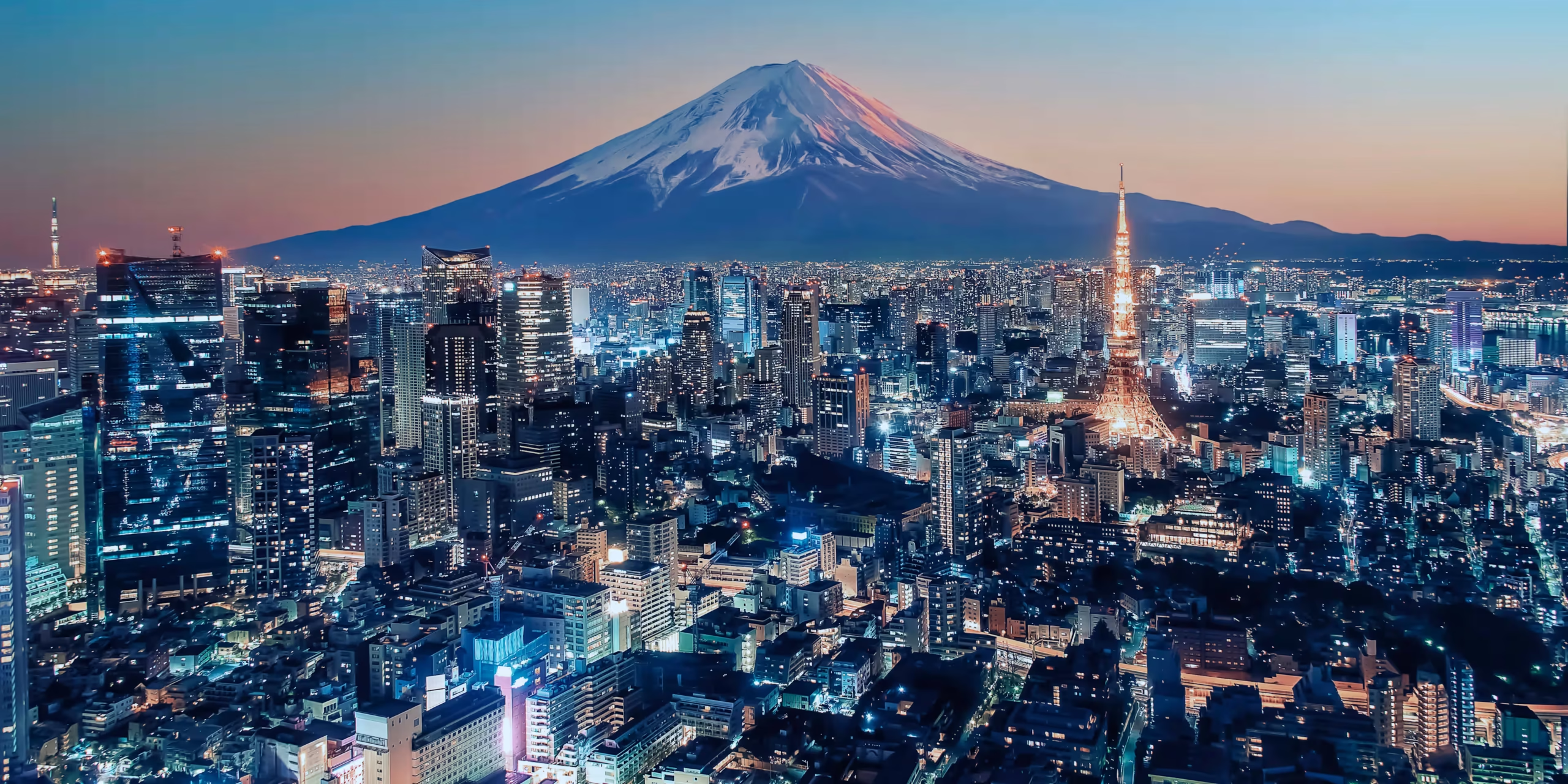
Tokyo, Japan’s capital, is a city that never sleeps — a sprawling metropolis where ancient shrines meet neon skylines, and centuries of tradition coexist seamlessly with cutting-edge innovation. Known for its efficiency, cleanliness, and unique blend of the past and future, Tokyo is more than just a city; it’s an experience. Whether you’re wandering through serene temple gardens, exploring high-tech districts, or savoring world-class cuisine, Tokyo embodies the spirit of modern Japan while remaining deeply rooted in its heritage.
A Brief History of Tokyo
Tokyo’s story began long before it became the futuristic city we know today. Originally a small fishing village called Edo, it rose to prominence in the early 1600s when Tokugawa Ieyasu, founder of the Tokugawa shogunate, established his military government there. Over the next 250 years, Edo flourished as Japan’s political and cultural hub.
In 1868, when Emperor Meiji moved the imperial capital from Kyoto to Edo, the city was renamed Tokyo, meaning “Eastern Capital.” This marked the start of the Meiji Restoration, a period that transformed Japan from a feudal society into a modern nation. Despite devastating events — such as the 1923 Great Kanto Earthquake and the bombing of World War II — Tokyo rebuilt itself time and again, emerging stronger and more innovative with each generation.
Today, Tokyo stands as one of the world’s most advanced and influential cities, a global center for technology, fashion, art, and finance.
Districts of Diversity
Tokyo isn’t just one city; it’s a tapestry of unique neighborhoods, each with its own character and rhythm.
Shinjuku: The City That Never Sleeps
Shinjuku is the beating heart of modern Tokyo — a neon jungle of skyscrapers, entertainment, and endless energy. It houses the world’s busiest railway station and the towering Tokyo Metropolitan Government Building, offering panoramic views of the city. By day, it’s a business hub; by night, it transforms into an entertainment paradise, from karaoke bars to late-night ramen shops.
Shibuya: The Trendsetter
No trip to Tokyo is complete without witnessing the Shibuya Crossing, the world’s most famous pedestrian scramble. Beyond the flashing billboards lies the epicenter of youth culture, fashion, and music. Shibuya is where trends are born — a playground for creativity that continues to shape Japan’s pop culture identity.
Asakusa: Where Tradition Lives
For a glimpse of old Tokyo, Asakusa offers a charming step back in time. Its centerpiece, Sensō-ji Temple, Tokyo’s oldest Buddhist temple, dates back to the 7th century. The bustling Nakamise Shopping Street nearby sells everything from traditional snacks to handmade crafts, preserving the city’s Edo-era spirit.
Akihabara: The Tech and Anime Mecca
Known as “Electric Town,” Akihabara is a paradise for gamers, anime lovers, and gadget enthusiasts. Towering stores overflow with the latest electronics, collectible figures, and retro video games. Maid cafés and themed stores add to the quirky, futuristic atmosphere that draws millions of otaku (pop-culture fans) from around the world.
Ginza: Elegance and Luxury
Ginza is Tokyo’s high-end district — a polished world of designer boutiques, fine dining, and art galleries. It’s the Japanese equivalent of New York’s Fifth Avenue or Paris’s Champs-Élysées. Yet, beneath the glitz, Ginza maintains its historic charm with traditional kabuki theaters and tea houses.
Culinary Capital of the World
Tokyo holds the most Michelin-starred restaurants of any city on Earth — more than Paris or New York. But the magic of Tokyo’s food culture goes far beyond luxury dining. The city’s culinary excellence is built on precision, passion, and respect for ingredients.
From a humble bowl of ramen to delicate kaiseki (multi-course meals) or fresh sushi at Tsukiji and Toyosu markets, every meal in Tokyo tells a story. Street food in districts like Ueno and Ameyoko offers irresistible delights like takoyaki (octopus balls) and yakitori (grilled chicken skewers).
Tokyo’s approach to food reflects its culture — perfection through simplicity. Even convenience store meals (known as konbini food) are astonishingly fresh and well-crafted.
Technology and Innovation
Tokyo is synonymous with innovation. From robot restaurants to automated trains and vending machines that sell almost anything imaginable, the city is a glimpse into the future. In districts like Odaiba, futuristic architecture, AI-driven exhibits, and attractions such as teamLab Borderless showcase the artistic side of technology.
Meanwhile, Roppongi Hills and Shibuya Stream represent the city’s drive to blend modern living with digital creativity. Tokyo’s role in shaping robotics, gaming, and high-tech industries cements its position as a leader in the 21st century global economy.
Tradition in Harmony
Despite its futuristic appeal, Tokyo never forgets its roots. The delicate balance between innovation and tradition defines the city’s identity.
Tranquil gardens such as Shinjuku Gyoen, Hamarikyu, and Koishikawa Korakuen provide peaceful escapes amid skyscrapers. Shinto shrines like Meiji Jingu and Buddhist temples like Sengaku-ji invite reflection and serenity. Festivals — from Cherry Blossom (Sakura) season in spring to Sumo tournaments — keep age-old customs alive.
This ability to preserve cultural depth while embracing modernity makes Tokyo unique. It’s a city where a 400-year-old tea ceremony can coexist next to a robot café — and somehow, it feels natural.
Culture and Creativity
Tokyo’s cultural scene is as diverse as its skyline. Museums such as the Tokyo National Museum, Mori Art Museum, and Edo-Tokyo Museum celebrate everything from ancient artifacts to cutting-edge contemporary art.
The city also drives global trends in fashion and design. Areas like Harajuku and Omotesando are laboratories of self-expression — where young people mix avant-garde fashion with traditional Japanese influences. Tokyo Fashion Week attracts designers and influencers from around the world.
Meanwhile, the city’s music and nightlife pulse with energy. From jazz bars in Shinjuku’s Golden Gai to electronic clubs in Roppongi, Tokyo’s rhythm never fades.
Sustainability and the Future
As Tokyo looks toward the future, sustainability has become a key focus. The city has invested heavily in green infrastructure, electric transport, and waste reduction. The Tokyo 2020 Olympics (held in 2021 due to the pandemic) showcased many of these efforts, with renewable energy and recyclable materials at the forefront.
Tokyo’s vision of the future balances efficiency with livability — aiming to remain a megacity that feels both dynamic and human.
A City Beyond Time
To visit Tokyo is to step into a world that feels simultaneously ancient and futuristic, intimate and vast. It’s a city of contrasts: temples beside towers, quiet alleyways beside neon-lit avenues. Yet everything functions in perfect harmony — a testament to Japan’s precision, respect, and resilience.
Tokyo doesn’t just represent Japan; it defines what modern urban life can be — innovative, cultural, and endlessly fascinating. Whether you’re there for a week or a lifetime, Tokyo has a way of leaving an indelible mark — a place where every moment feels like both a memory and a discovery.