The word global once simply described the shape of the Earth. Today, it represents a vast and complex network of relationships—economic, cultural, technological, environmental, and human. To talk about the global era is to talk about a world in which borders feel thinner, information moves faster than thought, and challenges in one corner of the planet ripple outward to affect lives everywhere. Understanding what “Global” means in the 21st century is essential for governments, businesses, individuals, and the generations preparing to inherit an interconnected world.
This article explores the meaning of “global,” how globalization evolved, the forces driving global transformation, and the opportunities and challenges that define our shared future.
The Meaning of “Global”: More Than Geography
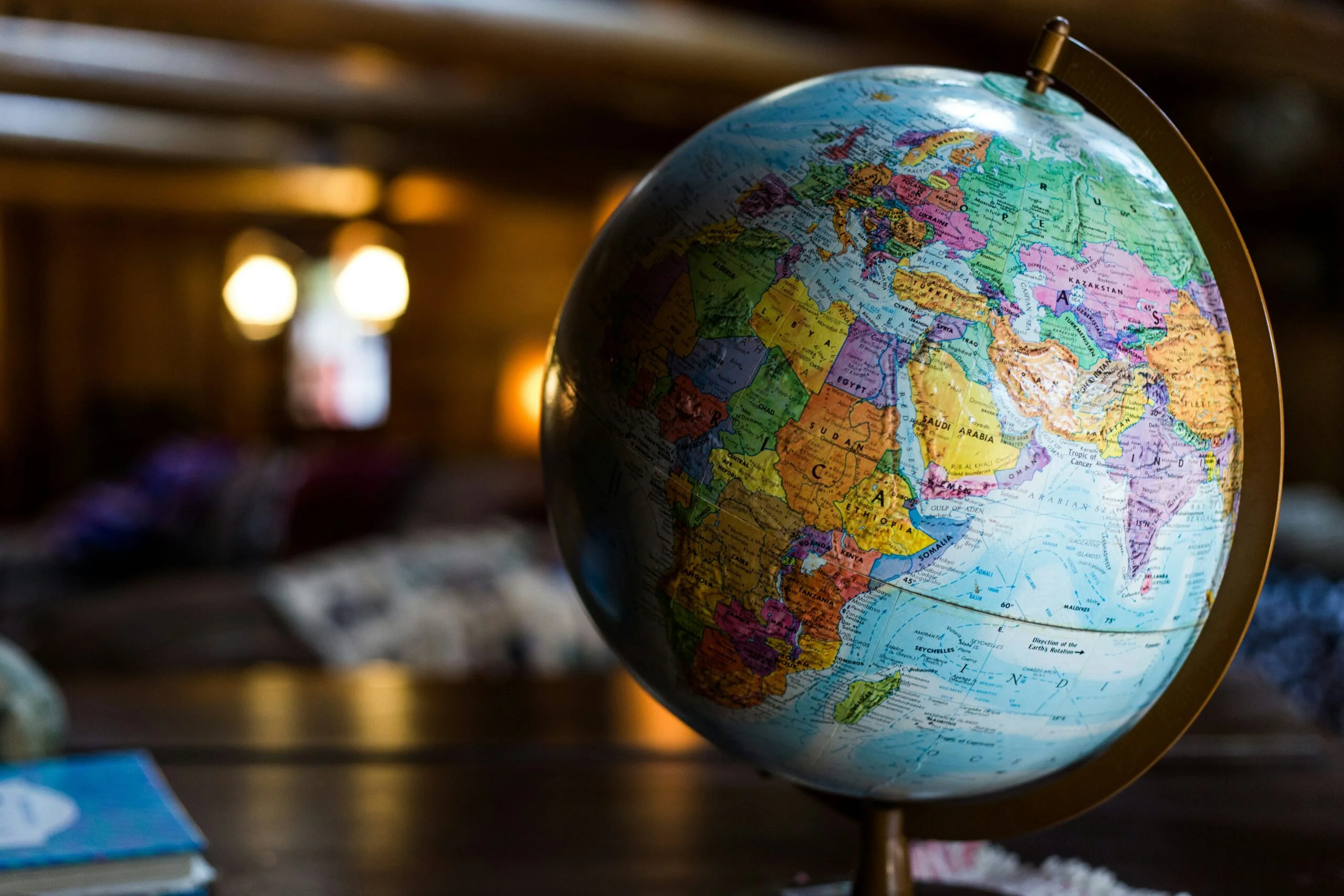
At its core, global means “relating to the whole world.” But today, this simple definition surfaces in many dimensions:
-
Global economy — where companies trade, invest, and compete worldwide.
-
Global culture — where music, movies, fashion, and ideas circulate widely.
-
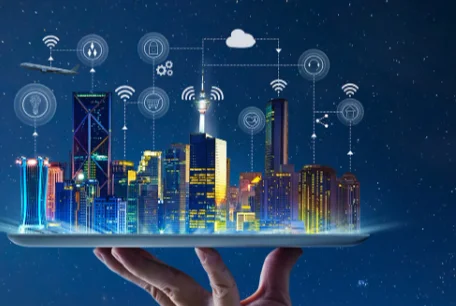
Global technology — where innovations in one region quickly change life everywhere.
-
Global consciousness — the growing belief that humanity shares a single destiny.
To be global is to operate beyond local limitations, to engage with systems that span continents, and to understand that events thousands of miles away can have direct consequences at home.
The Evolution of Globalization
Globalization did not appear overnight. It evolved through several distinct eras:
1. Early Global Connections
Trade routes like the Silk Road linked civilizations across Asia, Africa, and Europe. Cultures exchanged goods, languages, mathematics, and philosophies.
2. Age of Exploration
European maritime discoveries in the 15th–17th centuries created worldwide trade networks, shifting economic centers and spreading cultures—but also leading to colonization and resource extraction.
3. Industrial Globalization
Steam power, railways, and telegraphs shrank the world. Raw materials, manufactured goods, and labor began moving at unprecedented scale.
4. Digital Globalization
The late 20th and early 21st centuries introduced the fastest form of global integration. The internet, smartphones, cloud computing, and social media connect billions of people instantly.
Globalization is no longer just about shipping goods. It’s about ideas, data, culture, energy, and collective responsibility.
Drivers of a Global World
Several forces are accelerating global interdependence:
1. Technology
Technology is the engine of global integration.
It enables:
-
real-time communication
-
remote work
-
global supply chains
-
digital marketplaces
-
artificial intelligence and automation
-
international education and collaboration
Today, technology makes distance nearly irrelevant for many activities.
2. Trade and Economic Integration
Countries specialize in different industries and rely on one another for goods, services, and energy. Multinational corporations operate factories, research centers, and markets on several continents.
3. Migration and Human Mobility
People move across borders for work, safety, education, and opportunity. Diaspora communities maintain cultural ties while contributing to global diversity.
4. Shared Environmental Systems
Issues like climate change, ocean pollution, and biodiversity loss ignore national boundaries. Solutions must be global as well.
5. Cultural Exchange
Movies, games, fashion, and art circulate across the world. K-pop becomes global; Hollywood movies stream everywhere; and millions of people listen to the same songs on the same platforms.
The Benefits of a Global World
A globalized world offers significant advantages:
1. Economic Growth and Opportunity
Access to international markets fuels jobs, innovation, and investment. Developing countries can grow quickly by integrating into global value chains.
2. Innovation and Knowledge Sharing
Scientists in different countries can collaborate on research. Medical knowledge spreads globally, improving health outcomes and accelerating breakthroughs.
3. Cultural Diversity and Understanding
Exposure to different ways of life encourages tolerance, creativity, and hybrid cultural forms. Cuisine, music, and traditions easily cross borders.
4. Access to Goods and Services
Global supply chains lower costs and offer consumers a wider variety of products, from electronics to fresh produce.
5. Global Problem-Solving
Collective action can tackle challenges bigger than any one country—such as pandemics, climate change, or technological standards.
Challenges of Globalization
Despite its advantages, globalization also brings difficulties:
1. Economic Inequality
While some regions grow rapidly, others face job loss due to automation or outsourcing. Wealth can concentrate in specific cities or industries.
2. Cultural Tension
The spread of global cultural products can overshadow local traditions, leading to concerns about cultural erosion.
3. Environmental Pressure
Global production and transportation increase emissions and resource consumption unless managed sustainably.
4. Fragile Supply Chains
When disruptions occur—such as pandemics, natural disasters, or geopolitical conflict—global supply systems can fail.
5. Misinformation
Digital globalization spreads ideas quickly, but not all information is accurate. False content can travel globally within minutes.
The Future of the Global World
As humanity enters deeper global integration, several trends will define the next decades:
1. Green Globalization
Nations will shift toward renewable energy, sustainable manufacturing, and circular economies. Environmental coordination will become a global priority.
2. Digital Sovereignty
Countries will create rules for data privacy, digital trade, and AI governance. The goal will be global cooperation without compromising local values.
3. Multipolar Power Structures
Instead of one or two dominant global powers, several regions—Asia, Europe, North America, Africa, and Latin America—will shape world affairs.
4. Hybrid Work and Education
Remote workforces will become global, enabling people to work for companies anywhere. Online learning will broaden access to top universities and skills training.
5. Cultural Fusion
Global creativity will blend styles, languages, and traditions in ways that enrich entertainment, fashion, and communication.
Why “Global” Matters for Everyone
Whether you are a student, entrepreneur, consumer, or policymaker, the global world affects your daily life:
-
The food you eat may be grown on another continent.
-
The phone you use is assembled from parts sourced worldwide.
-
Your job may rely on global markets, software, or communication tools.
-
The entertainment you enjoy comes from international creators.
-
The environmental choices you make contribute to global outcomes.
To succeed in the future, individuals and organizations must think globally while acting responsibly at the local level.
Conclusion
The term global captures the essence of today’s world: interconnected, interdependent, and constantly evolving. Globalization brings opportunities to learn, create, trade, and collaborate in unprecedented ways, but it also demands careful attention to fairness, sustainability, and cultural preservation.
As borders become more symbolic and challenges more universal, humanity must choose how to navigate the advantages and risks of a fully connected world. Understanding the meaning of “global” is the first step toward shaping a better, more inclusive future for everyone.